Opsgenie is shutting down. Here’s what that means, and how incident.io can help
March 13, 2025 — 6 min read
Atlassian recently announced they’ll be shutting down Opsgenie, their popular on-call alerting tool. After June 4, 2025, no new Opsgenie accounts will be created, and by April 5, 2027, the service will shut down completely. Users don’t seem happy about it.
If you’re currently using Opsgenie, this news is significant. A key part of your incident response process is disappearing, and Atlassian suggests moving to their other products, like Jira Service Management or Compass. In short, Opsgenie users need to start planning their next steps.
What this means for your team
If your team relies on Opsgenie to manage on-call rotations and alerts, you'll have to find an alternative.
While Opsgenie will technically stay online until 2027, it's now in maintenance mode: no new features, limited support, and minimal updates. Staying attached to a product that is no longer actively developed introduces real risks. You'll miss essential industry shifts, particularly key innovations like AI-driven investigations and automation. Your competitors may benefit from this, which will disadvantage your team.
On top of that, as time goes by, migrating off Opsgenie will become increasingly painful and risky, especially if you're forced to move under pressure rather than proactively choosing a better solution.
If you’re using Opsgenie today, it’s a great time to consider your options.
The broader shift away from legacy tools
Opsgenie’s shutdown is part of a broader industry shift. Even before Atlassian’s announcement, engineering teams had already reconsidered their on-call management approach. For a long time, PagerDuty and Opsgenie have been reliable options for waking engineers during incidents, but frustrations have mounted. When we speak with engineering leaders, they often tell us: “It gets the job done, but it’s draining,” or “We spend too much time fighting the tool instead of resolving the incident.”
We recently shared why many teams are moving from PagerDuty to incident.io On-Call. The exact reasons hold for Opsgenie: rigid scheduling, clunky user interfaces, fragmented incident data, and escalating costs.
Since launching On-Call in May 2024, hundreds of teams have moved away from older tools. Today, most incident.io customers use our On-Call solution as a core part of the software reliability platform built to investigate, respond and prevent incidents, powered by AI that deeply understands your organization.
How incident.io On-Call can help
At incident.io, we built On-Call to address these frustrations directly. We didn’t just aim to replace traditional paging: we wanted to integrate alerts deeply into the entire incident management lifecycle.
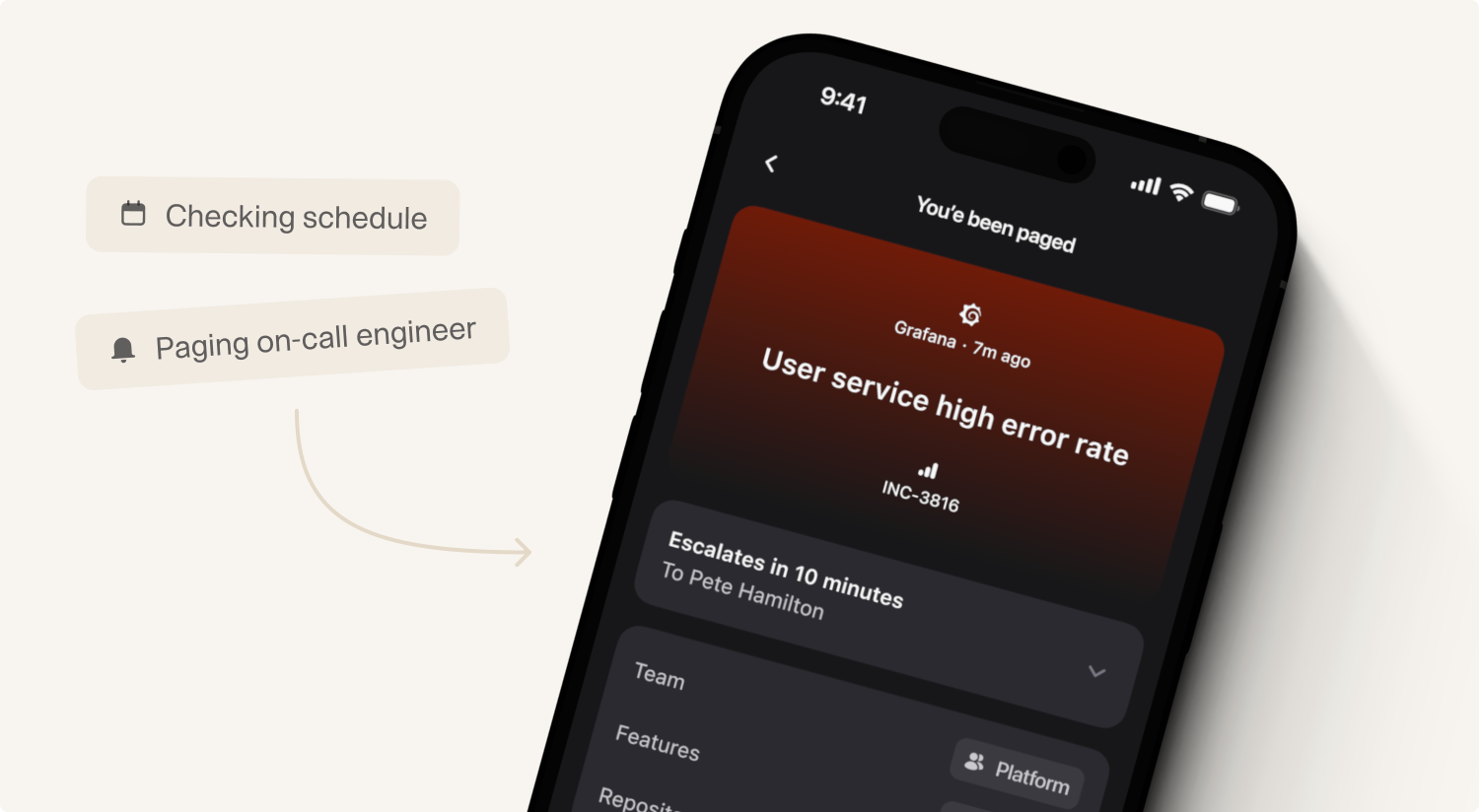
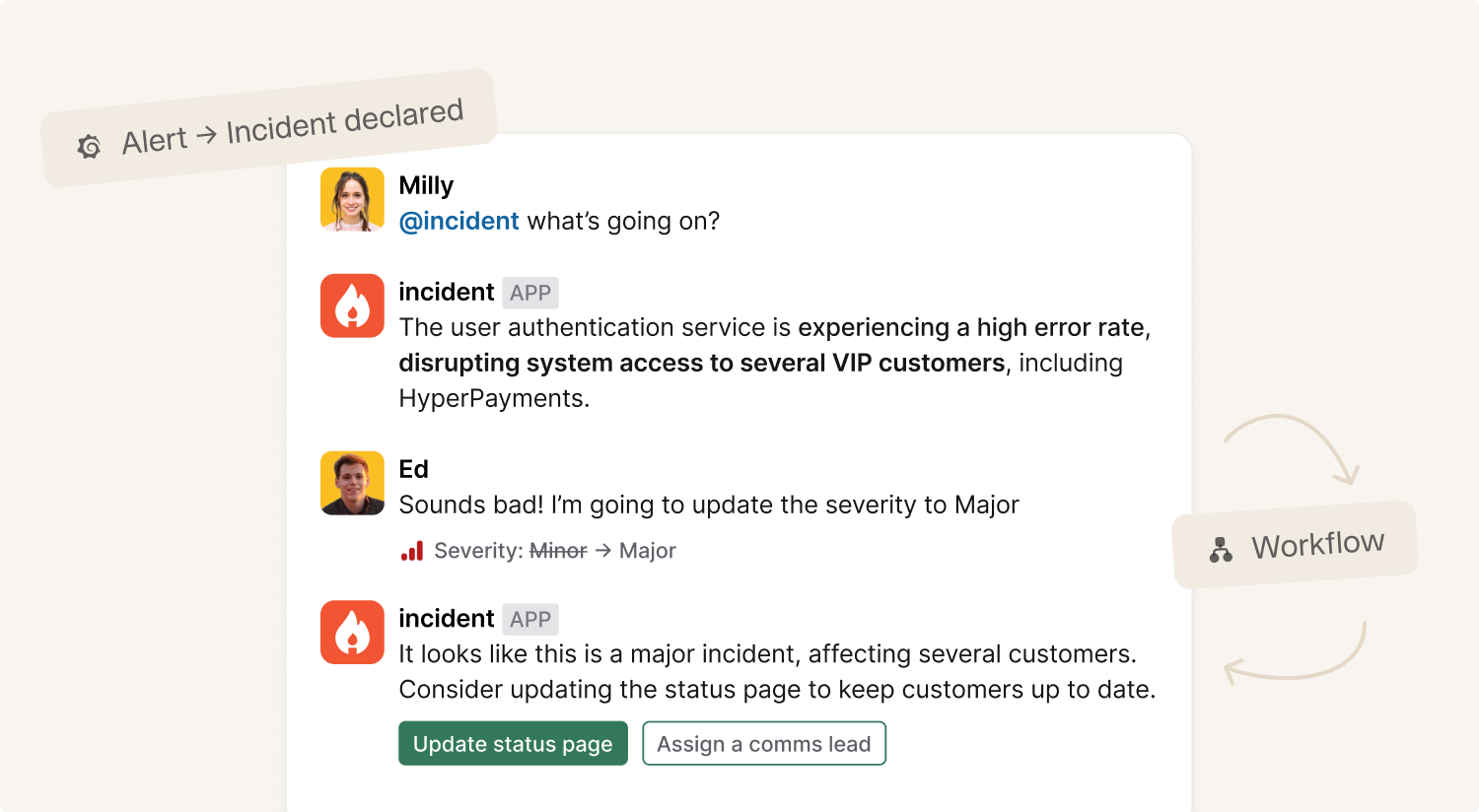
Instead of using separate tools for alerts, incident coordination, and communication, incident.io centralizes everything. When an alert triggers, it instantly creates an incident channel in Slack or Teams, gathers the relevant team members, and provides crucial context to help you quickly resolve the issue.
No more juggling multiple disconnected systems. Just one streamlined way to handle incidents from alert through resolution.
Here’s what makes incident.io On-Call different:
One integrated platform: Alerts and on-call schedules connect directly to your broader incident response. Everything happens within one unified workspace, simplifying coordination.
Native Slack + Teams integration: Your team can acknowledge alerts, communicate, and coordinate directly in Slack or Teams. No additional logins or apps are required; incident response fits naturally into your existing workflow.
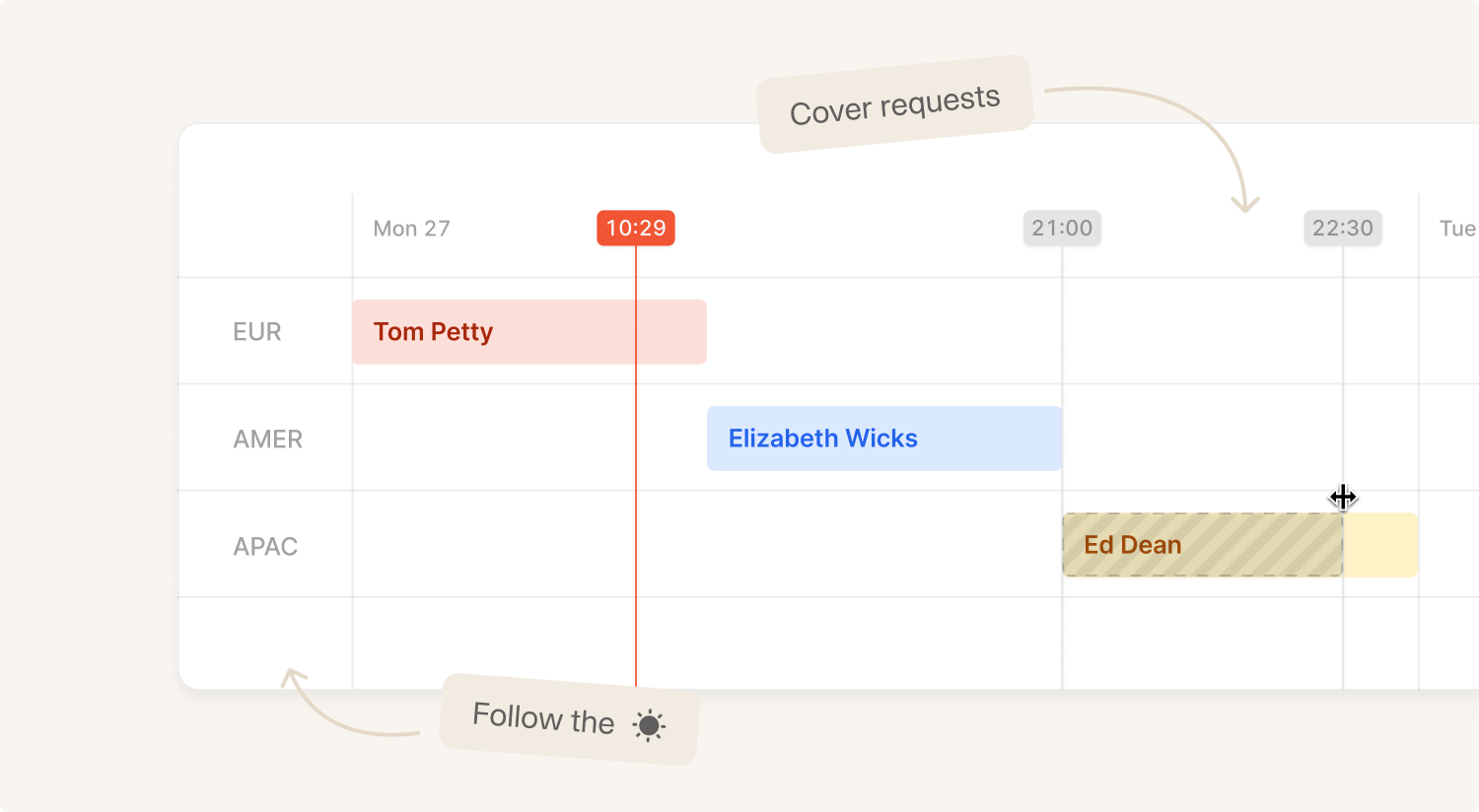
Flexible scheduling: Easily customize schedules and escalation paths to match how your team actually works, whether it's complex escalation policies or global follow-the-sun rotations.
Regular improvements: Because we built incident.io On-Call for modern times, it’s continually evolving based on feedback from teams like yours. Unlike Opsgenie, we add useful improvements and respond to customer needs every week.
incident.io On-Call offers all the features you relied on in Opsgenie, but integrated into a platform designed for the entire incident lifecycle. Faster resolution, fewer headaches.
Making the switch to incident.io
Moving away from a familiar tool can feel challenging, but we’re here to ensure a smooth transition. Our team will help you switch frommigrating your existing schedules and escalation policies to alert configuration. We’ll do the hard work for you.
Opsgenie shutting down may be disruptive, but it’s also an opportunity to rethink how your team manages incidents. Rather than quickly finding a stopgap on-call solution, consider switching to incident.io, the software reliability platform built to investigate, respond and prevent incidents, powered by AI that deeply understands your organization, and built for modern engineering teams.
Interested in seeing how it works? Get started for free or get a live demo from our team here!

Stephen Whitworth
Co-Founder & CEO
See related articles
Introducing Investigations, powered by Nexus.
Today we're launching Investigations: agentic root cause analysis that starts the moment you're paged, figures out what broke and why, and works with your team through to resolution. Here's what we built, what's powering it, and why it took some time to get right.

August 5, 2026
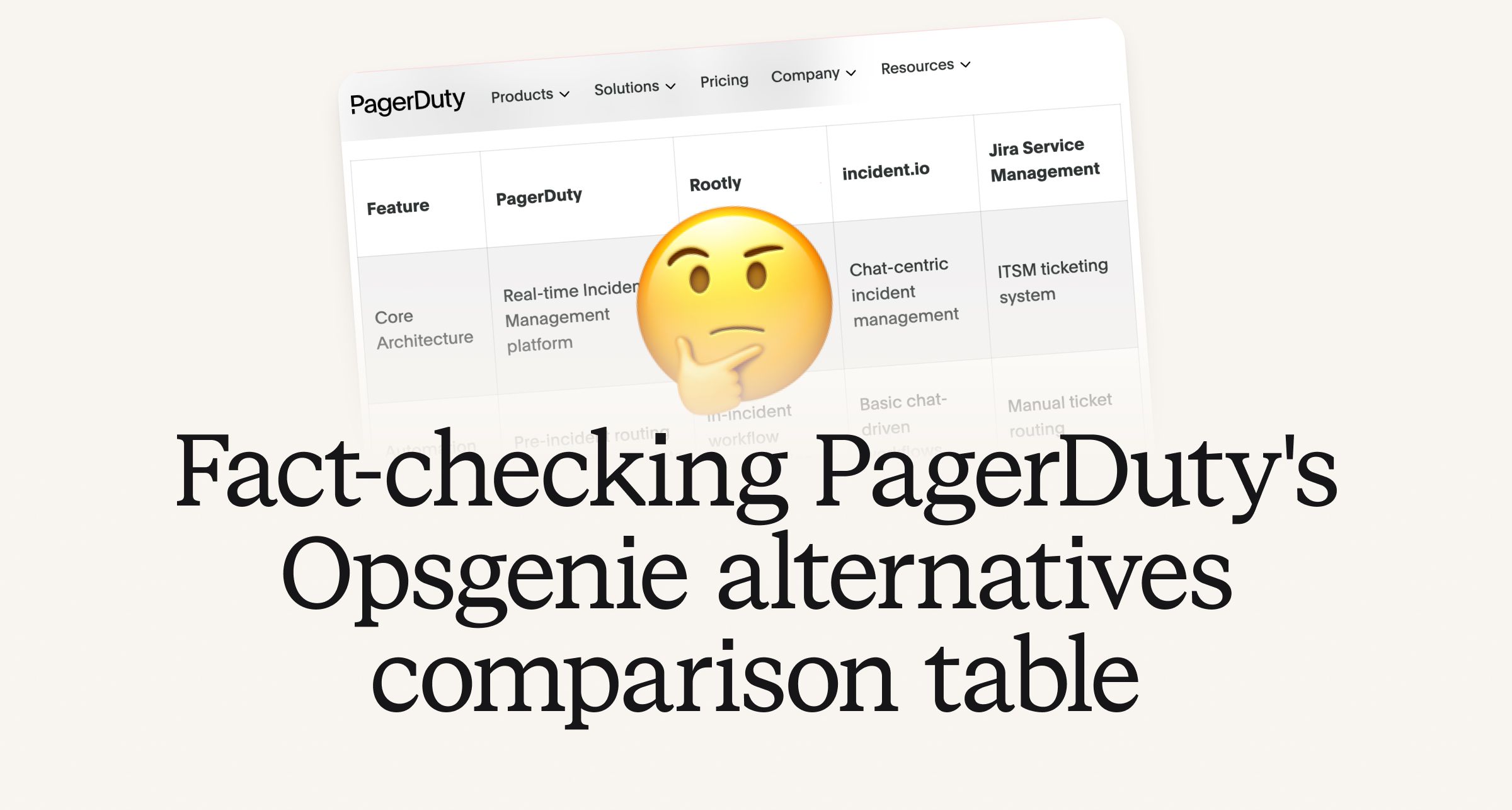
Fact-checking PagerDuty's Opsgenie alternatives comparison table
PagerDuty published a new comparison table about incident.io. Once again, it describes a product we don't recognize. So once again, we're correcting the record, row by row, with receipts.

July 28, 2026
Your genie is vanishing: introducing the Opsgenie rescue program
Today, we're launching the Opsgenie Rescue Program to make that landing soft: simplified migration and free overlap so you never pay two vendors at once.
July 9, 2026
So good, you’ll break things on purpose
Ready for modern incident management? Book a call with one of our experts today.
We’d love to talk to you about
- All-in-one incident management
- Our unmatched speed of deployment
- Why we’re loved by users and easily adopted
- How we work for the whole organization