Incident management vs. problem management: A practical guide for SREs
March 3, 2025 — 3 min read
In Site Reliability Engineering (SRE), distinguishing incident management from problem management is crucial. While both processes aim to maintain system reliability, they fulfill distinct roles: incident management focuses on quickly resolving immediate disruptions, whereas problem management identifies and rectifies root causes to prevent recurrence. Effectively combining these processes helps minimize downtime, enhances system resilience, and fosters a proactive operational approach.
Defining incident and problem management
Incident Management: incident.io defines an incident as "anything that takes you away from planned work with a degree of urgency." This inclusive definition emphasizes rapid response to restore services swiftly and mitigate immediate impact.
Problem Management: This process systematically uncovers and addresses underlying issues behind incidents, enabling long-term stability through root cause analysis and proactive measures.
Key differences
- Incident Management: Rapid, reactive response aimed at immediate restoration of service. Highly time-sensitive and symptom-focused, providing short-term relief.
- Problem Management: Proactive, deeper investigation aimed at identifying and resolving root causes. Less immediately time-critical, promoting sustainable improvements and reducing future incidents.
Integrating incident and problem management effectively
Incident and problem management should be combined into a cohesive workflow:
- Clearly define roles—such as Incident Lead and Communications Lead—to streamline response.
- Conduct structured post-incident reviews (PIRs) to uncover systemic issues, inform proactive solutions, and mitigate future incidents.
Best practices for SRE teams
- Clearly outline incident response roles and responsibilities.
- Promote open, clear, and timely communication during incidents.
- Regularly perform tabletop exercises to prepare teams effectively.
- Foster a culture of continuous improvement through incident analysis and root cause resolution.
Conclusion
For SRE teams, effectively integrating incident and problem management is key to operational success. By clarifying roles, maintaining transparent communication, conducting structured reviews, and proactively addressing root causes, teams can significantly improve reliability and resilience. Leveraging resources like incident.io can further equip your team with practical tools and insights for ongoing improvement.

Tom Wentworth
Chief Marketing Officer
See related articles
Introducing Investigations, powered by Nexus.
Today we're launching Investigations: agentic root cause analysis that starts the moment you're paged, figures out what broke and why, and works with your team through to resolution. Here's what we built, what's powering it, and why it took some time to get right.

August 5, 2026
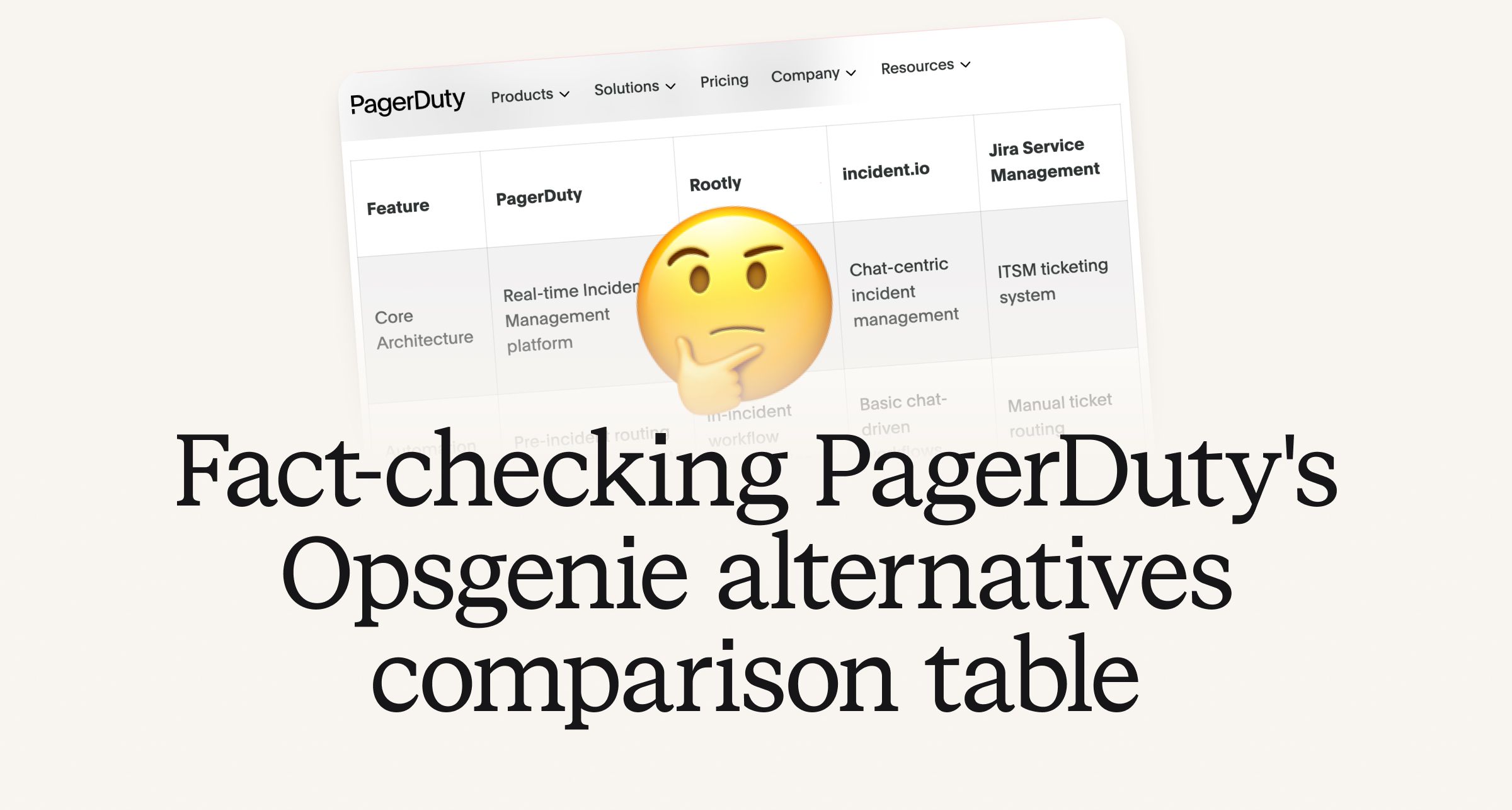
Fact-checking PagerDuty's Opsgenie alternatives comparison table
PagerDuty published a new comparison table about incident.io. Once again, it describes a product we don't recognize. So once again, we're correcting the record, row by row, with receipts.

July 28, 2026
Your genie is vanishing: introducing the Opsgenie rescue program
Today, we're launching the Opsgenie Rescue Program to make that landing soft: simplified migration and free overlap so you never pay two vendors at once.
July 9, 2026
So good, you’ll break things on purpose
Ready for modern incident management? Book a call with one of our experts today.
We’d love to talk to you about
- All-in-one incident management
- Our unmatched speed of deployment
- Why we’re loved by users and easily adopted
- How we work for the whole organization