Behind the scenes
Building AI for Reliability
A note from the team
We’re building the reliability platform the world’s software runs on. One that understands how your systems work, recognises when something is wrong, takes action to fix it and learns from the outcome.
That’s a growing set of AI products on a shared foundation. Investigations works through incidents and alerts with your team. Nexus connects incident.io to your code, telemetry and wider stack. Extensions turns your runbooks and tools into capabilities our agents can use, with you in control. Reliability reviews, coming soon, bring the same rigor to changes before they ship.
Getting here has pushed us to become AI engineers, build our own tooling for non-deterministic systems, and rethink how we evaluate and govern AI in high-stakes work. These are the people, principles and lessons behind it.








Is AI just another third-party dependency? Yes, right up until it isn't
Should you treat the AI model behind your product like any other third-party dependency? Two engineers, one at Skyscanner and one at incident.io, say mostly yes for SLAs, SLOs and observability, and mostly no for debugging. Here's where the analogy holds and where it breaks.

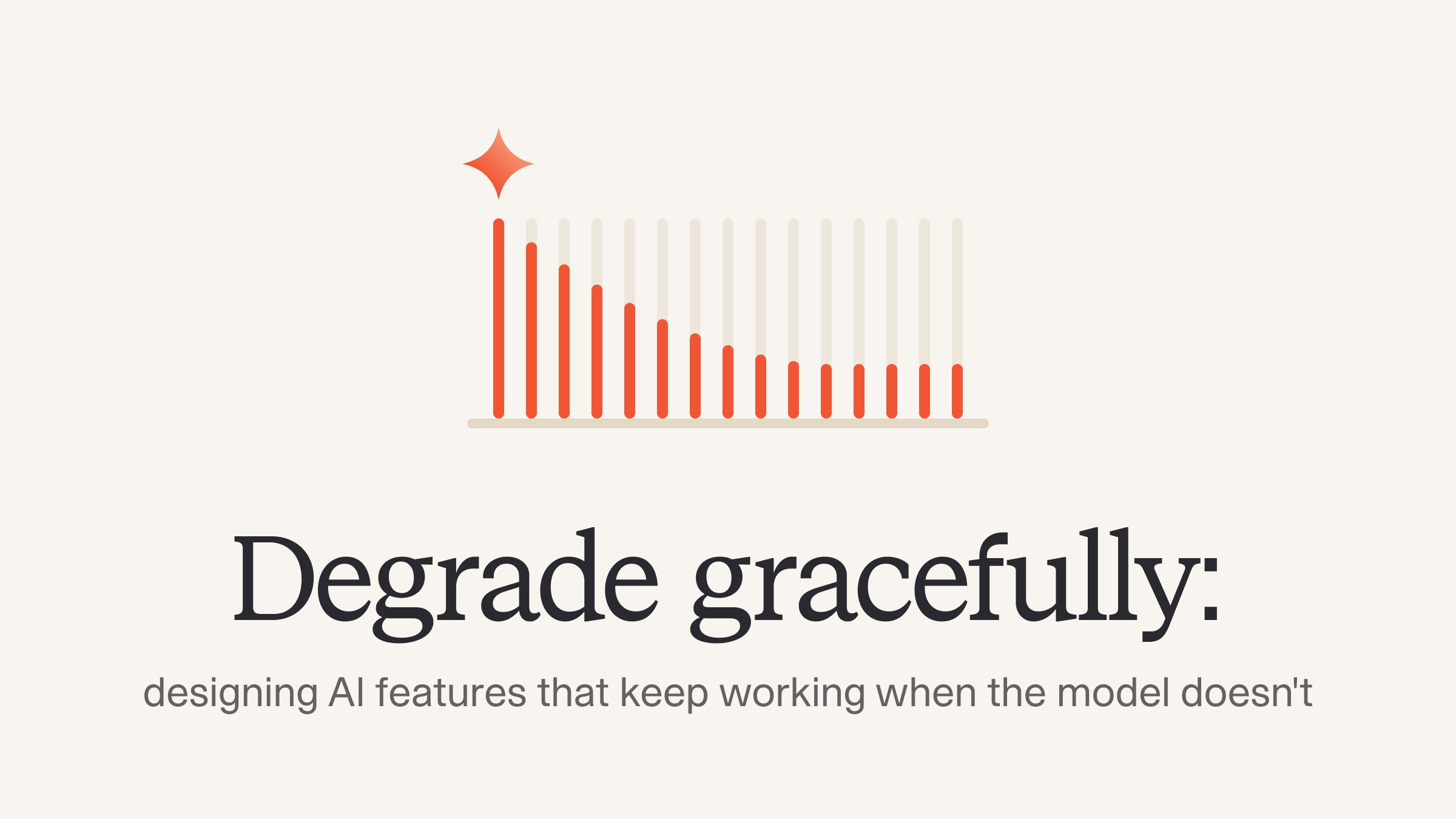
Degrade gracefully: designing AI features that keep working when the model doesn't
AI is now in the critical path for a lot of engineering teams, and the models behind it will have bad days. We asked Skyscanner's Michael Tweed and incident.io's Sahaj Sawhney how to build AI that degrades gracefully instead of falling over.
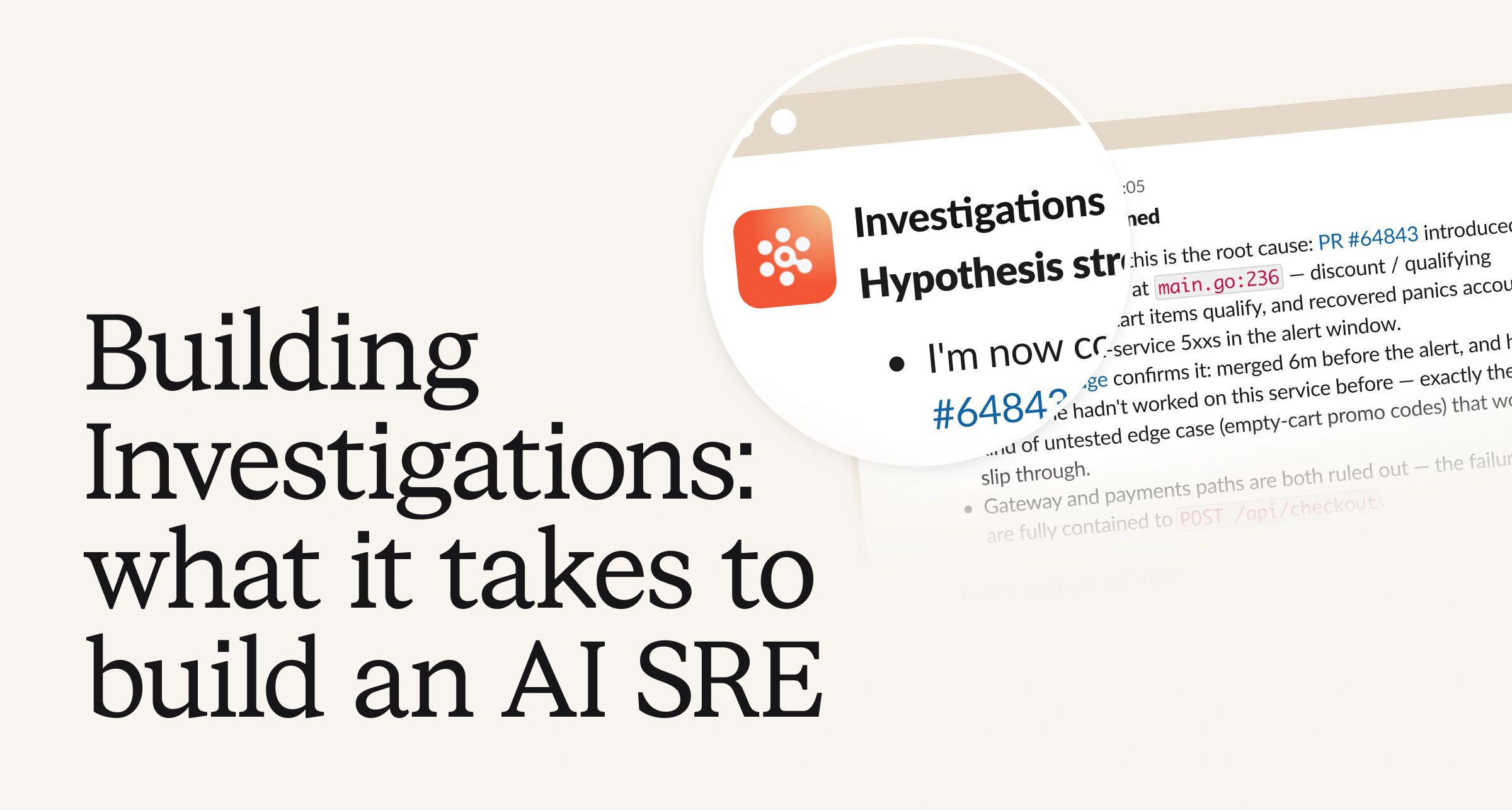
Building Investigations: what it takes to build an AI SRE
We spent the last two years building Investigations, our AI SRE. In this post, go behind the scenes of the work done and why build vs. buy is one of the most important decisions engineering teams are making right now.


Humans aren’t fast enough for 4 9’s
Hitting 99.99% isn't a faster version of what you already do. It's a different problem to be solved: autonomous recovery, dependency ceilings, redundancies, and the discipline to build systems that buy you 15-30 minutes before you're needed at all.

Everything you need to know about ITIL 5, AI and incident management
We break down ITIL 5's governance framework and what it means for teams using AI in incident response. For incident management, it addresses questions like: Who's accountable when an AI-suggested remediation backfires? How do you audit AI-generated updates?

DevEx matters for coding agents, too
When AI can scaffold out entire features in seconds and you have multiple agents all working in parallel on different tasks, a ninety-second feedback loop kills your flow state completely. We've recently invested in dramatically speeding up our developer feedback cycles, cutting some by 95% to address this. In this post we’ll share what that journey looked like, why we did it and what it taught us about building for the AI era.

Weaving AI into the fabric of incident.io
How incident.io became an AI-native company — building reliable AI for reliability itself, and transforming how teams manage and resolve incidents.

The timeline to fully automated incident response
AI is rapidly transforming incident response, automating manual tasks, and helping engineers tackle incidents faster and more effectively. We're building the future of incident management, starting with tools like Scribe for real-time summaries and Investigations to pinpoint root causes instantly. Here's a deep dive into our vision.


Avoiding the ironies of automation
Incidents happen when the normal playbook fails—so why would we let AI run them solo? Inspired by Bainbridge’s Ironies of automation, this post unpacks how AI can go wrong in high-stakes situations, and shares the principles guiding our approach to building tools that make humans sharper, not sidelined.

Controlling costs when building with AI
Building with AI is one of the easiest ways to create a huge infrastructure bill. Teams need visibility and awareness of what they're spending, along with guardrails to catch mistakes. This is how we control spend at incident.io.


Optimizing LLM prompts for low latency
When the time taken to execute a prompt becomes an issue, these strategies can optimize response latency without impacting prompt behaviour.


You can’t vibe code a prompt
Why blindly trusting AI to optimize your prompts can backfire, and human intuition is still essential when building intelligent agents.

Come build the future of Incident Response
Ever curious about why incident.io is the most exciting place to build your career in 2025? Let us share our incredible product momentum, ambitious roadmap, and unique engineering culture that's attracting the talent eager to redefine incident response.
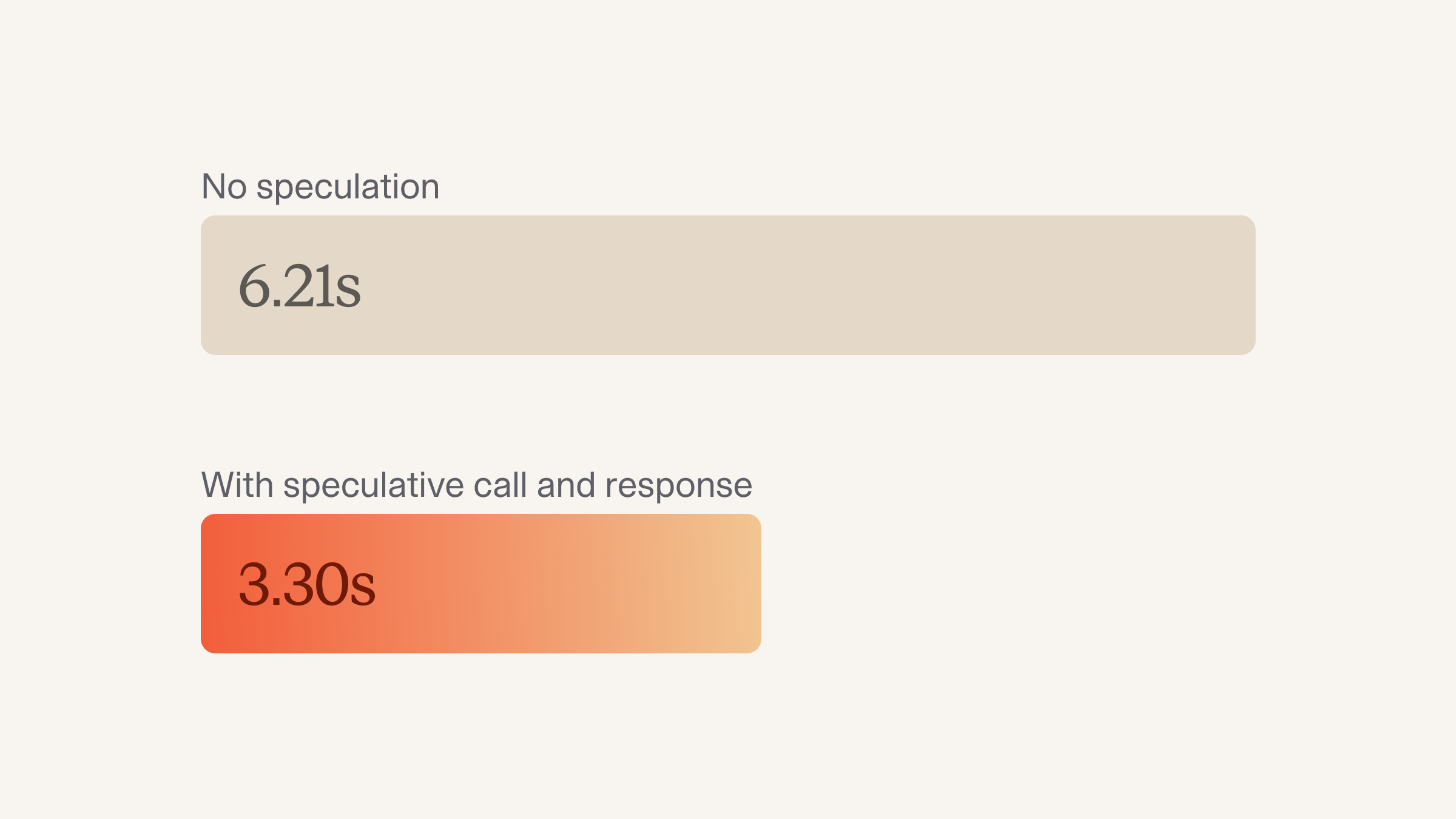
Break chatbot speed limits with speculative tool calls
Learn how we engineered a 50% reduction in chatbot response times by speculatively executing tool calls, making us one of the fastest chatbots around.


Tricks to fix stubborn prompts
If your prompt isn't doing what you expect and you've tried all the classic suggestions, here are tricks you can use to make even stubborn prompts listen.
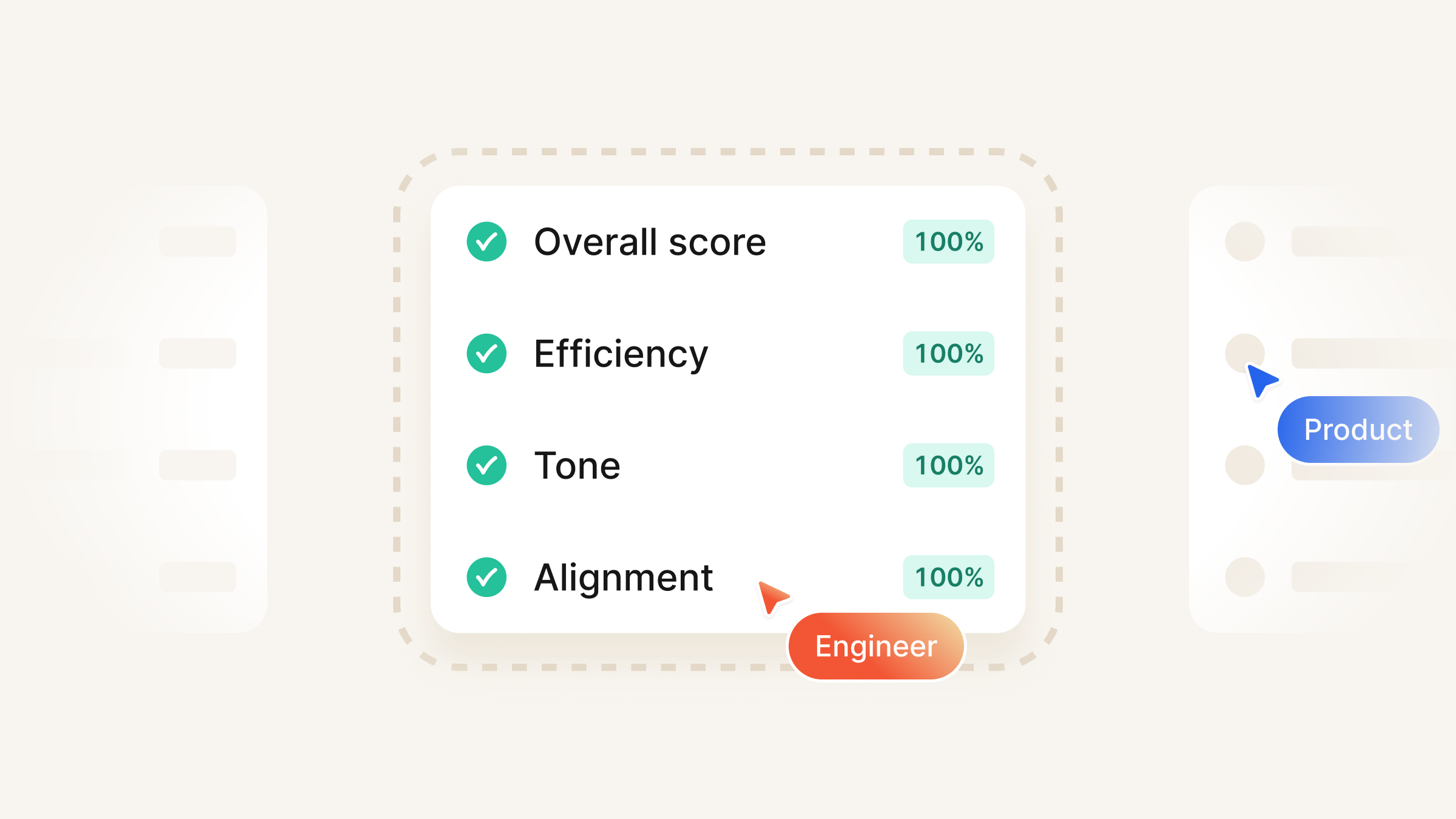
Why we built our own AI tooling suite
A technical deep-dive into why we built our own AI tooling suite, from evals to model leaderboards, and the key benefits we gained as a result.

Join our team – we’re hiring!
Join the ambitious team helping companies move fast when they break things.
See open roles